Kirkmayer

HomeApplicationsFood & agri-food

Food & agri-food

A new approach to agri-food hygiene.

Hypochlorous acid opens new ways to rethink hygiene and water treatment — simpler, faster, more efficient and more sustainable processes, each designed around its application.

  • Simplify protocols
  • Speed up operations
  • Optimise resources

Three sectors, new opportunities

From the farm to the production line.

Innovation doesn't replace cleaning. Hypochlorous acid is not a substitute for good cleaning — it improves the process without abandoning the fundamentals of effective hygiene.

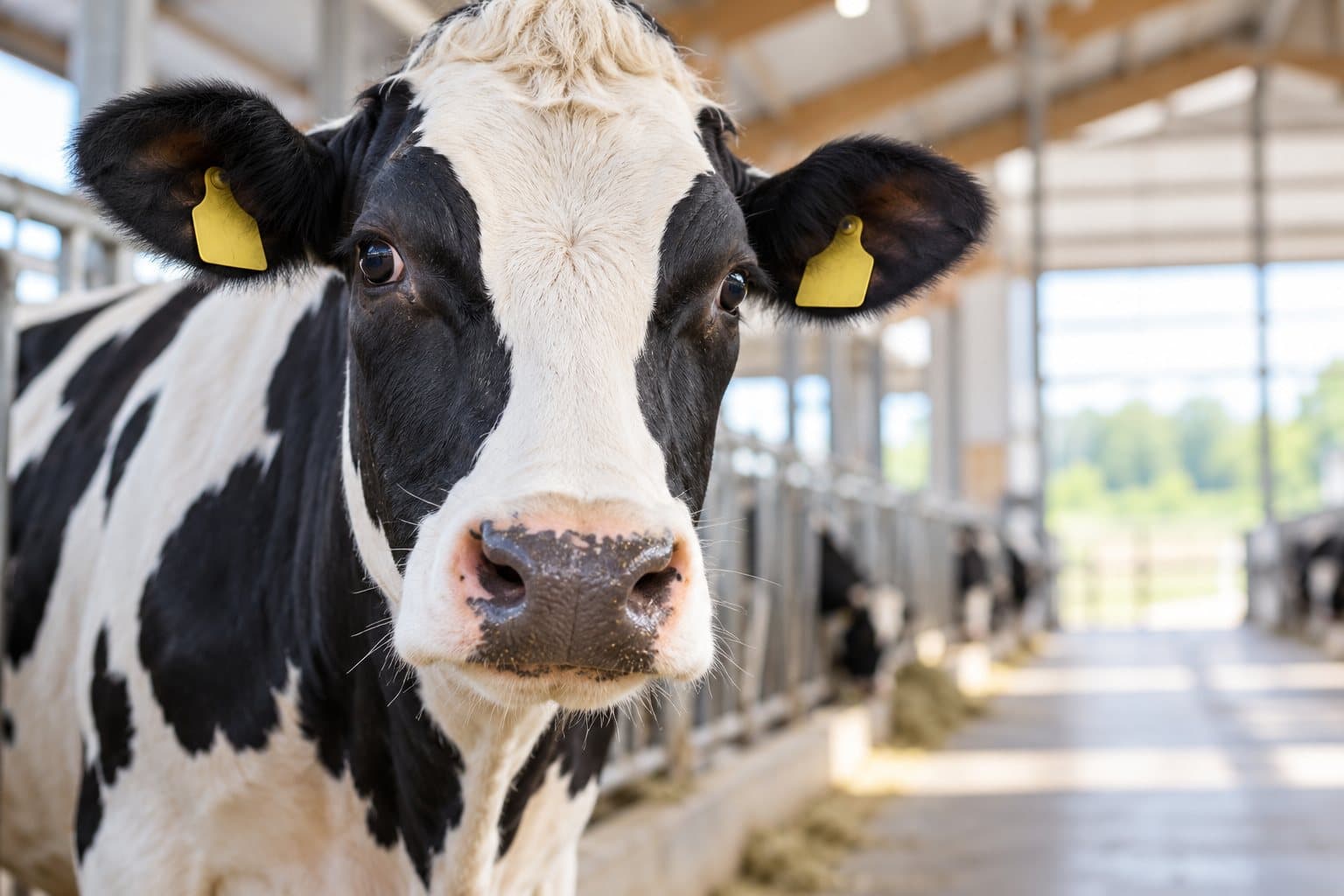
Farms · Water and biosecurity

Drinking water in animal production.

Do we treat livestock water the way we treat our own?

On a farm, water travels through tanks, pipes and drinkers. Its quality has to hold across the whole network, right up to the point where the animal drinks. Supply and consumption patterns differ from ours, so the treatment has to be validated for each farm.
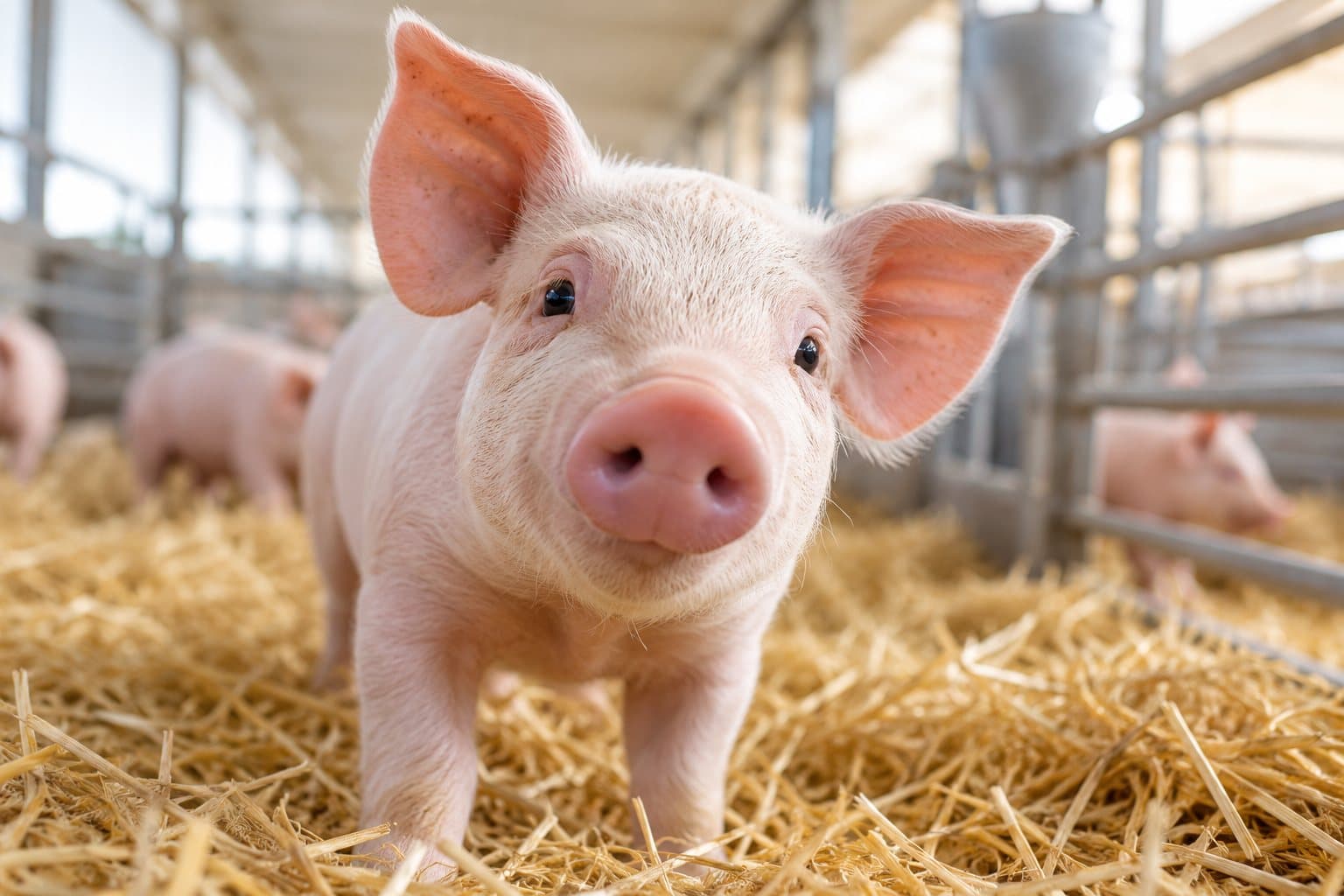
Water is part of biosecurity

  1. 1

    They don't drink like us

    People drink in episodes. Animals have water available all the time through a network of drinkers.

  2. 2

    The same limit?

    Reference criteria for human drinking water don't on their own define the optimal dose on a farm.

  3. 3

    An HClO approach

    Set objectives and adjust the treatment within validated ranges and authorised uses.

The objective

Greater microbiological control, without compromising water intake or animal welfare.

Parameters to control

  • Initial water quality

    The microbial load and characteristics of the water.

  • pH and free chlorine

    Real values in tanks and at drinking points.

  • Biofilm in the network

    The state of pipes, tanks and drinkers.

  • Intake and welfare

    How the animals respond to the protocol.

  • Continuous follow-up

    Record measurements and adjust by results.

Laboratory tests do not by themselves demonstrate safety, efficacy or authorisation for dosing drinking water.

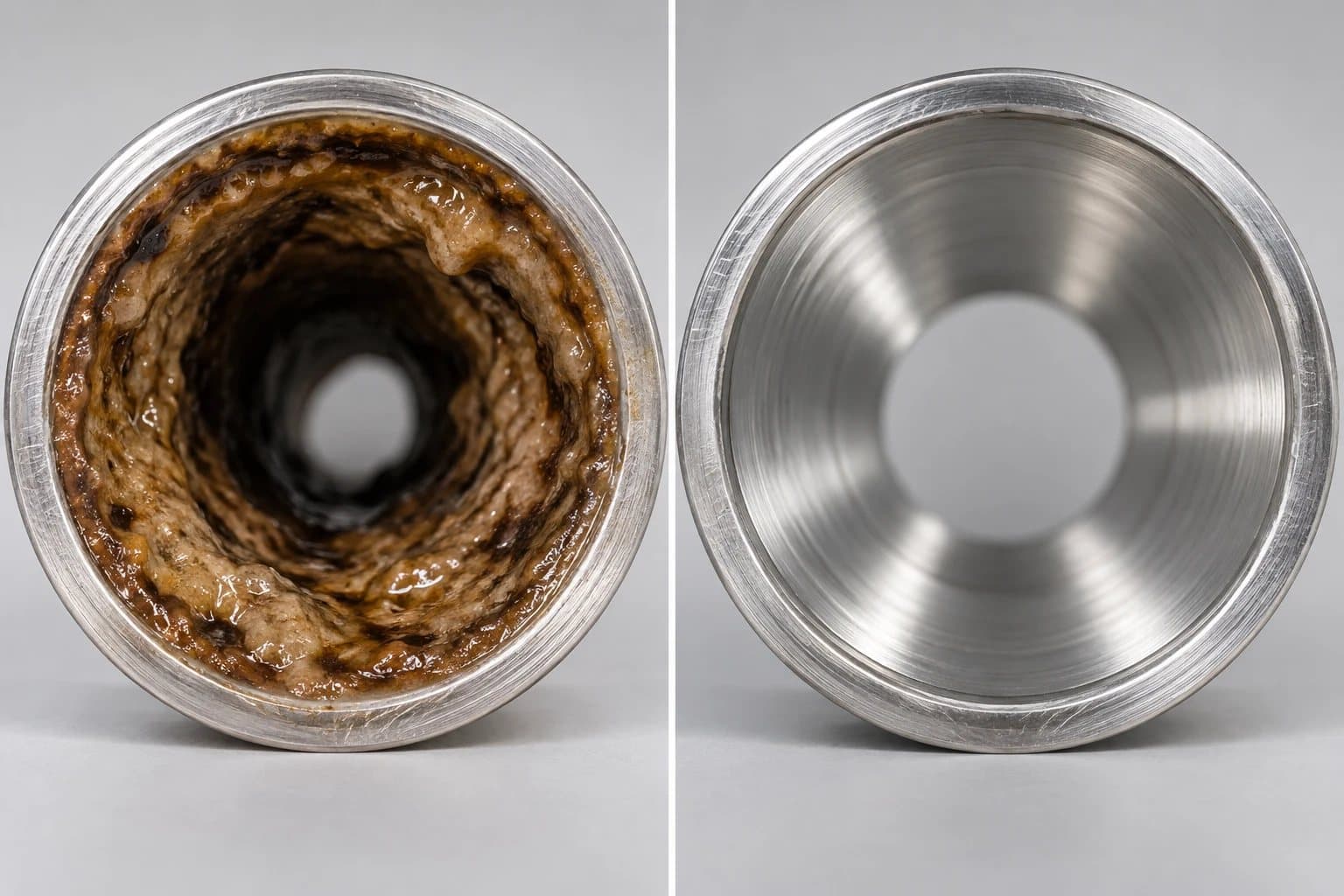
With biofilmWithout

Biosecurity · Biofilm

The invisible risk inside the pipes.

When did we last think of the pipe as part of water hygiene?

Biofilm can turn a distribution network into a reservoir of contamination. Treating the water without controlling the biofilm only solves part of the problem — a pipe that looks clean can hide microbial communities stuck to its walls.

How HClO acts on biofilm

  1. 1

    Contact

    HClO reaches the layer attached to the pipe walls.

  2. 2

    Penetration

    It can reach microorganisms protected by the surface matrix.

  3. 3

    Oxidation

    It oxidises essential components of the microbial cells.

  4. 4

    Control and flush

    The protocol and the flow help detach and remove the material.

  • Inspect the network

    Tanks, pipes, valves and drinkers — find the critical points.

  • Measure and adjust

    pH, free chlorine and conditions of use at the relevant points.

  • Verify efficacy

    Microbiological monitoring and maintenance confirm the results.

Conceptual diagram. The microbiological reports provided do not in themselves constitute a test of biofilm removal in pipes.

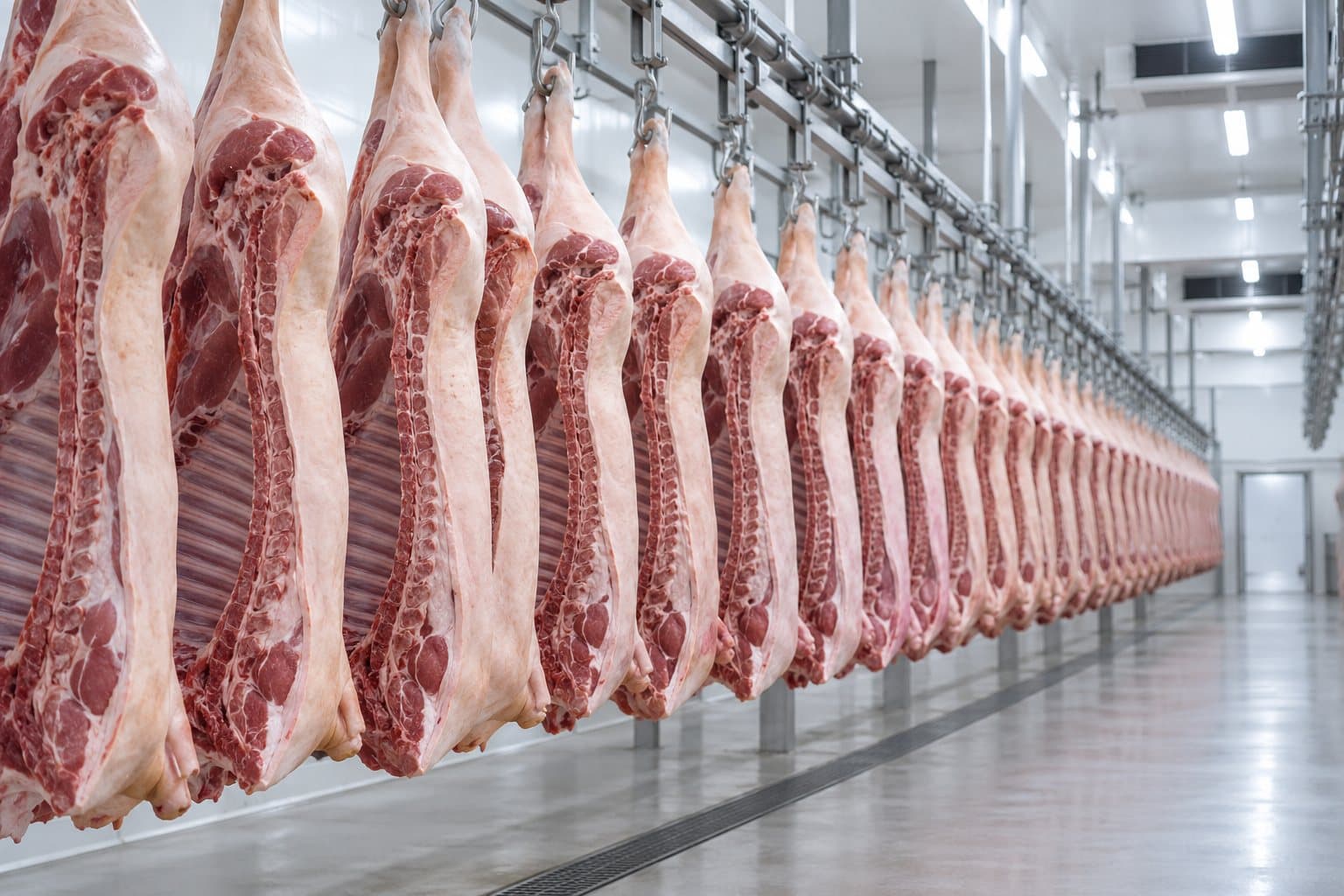
Slaughterhouses · Carcass washing

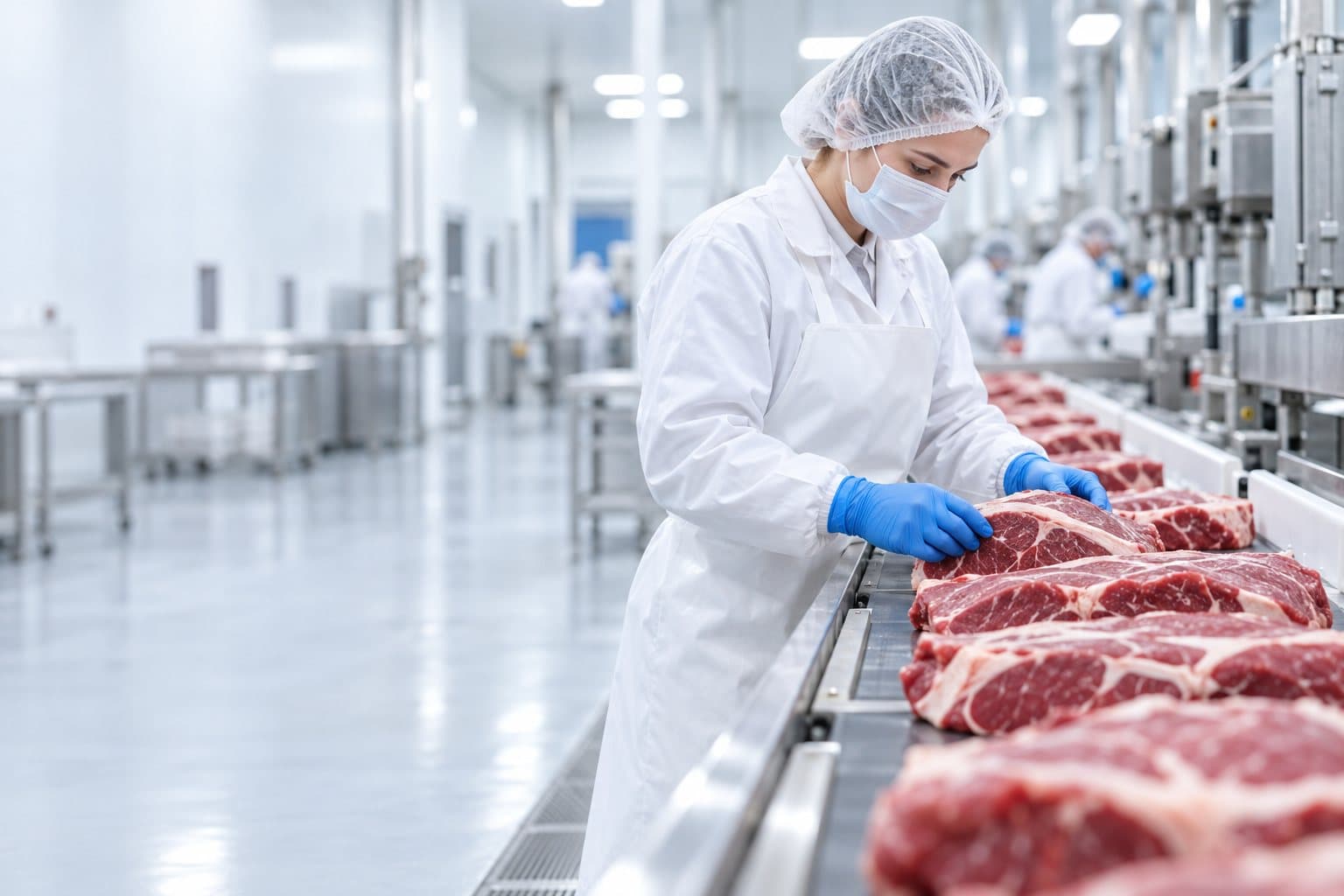
A new microbiological control barrier.

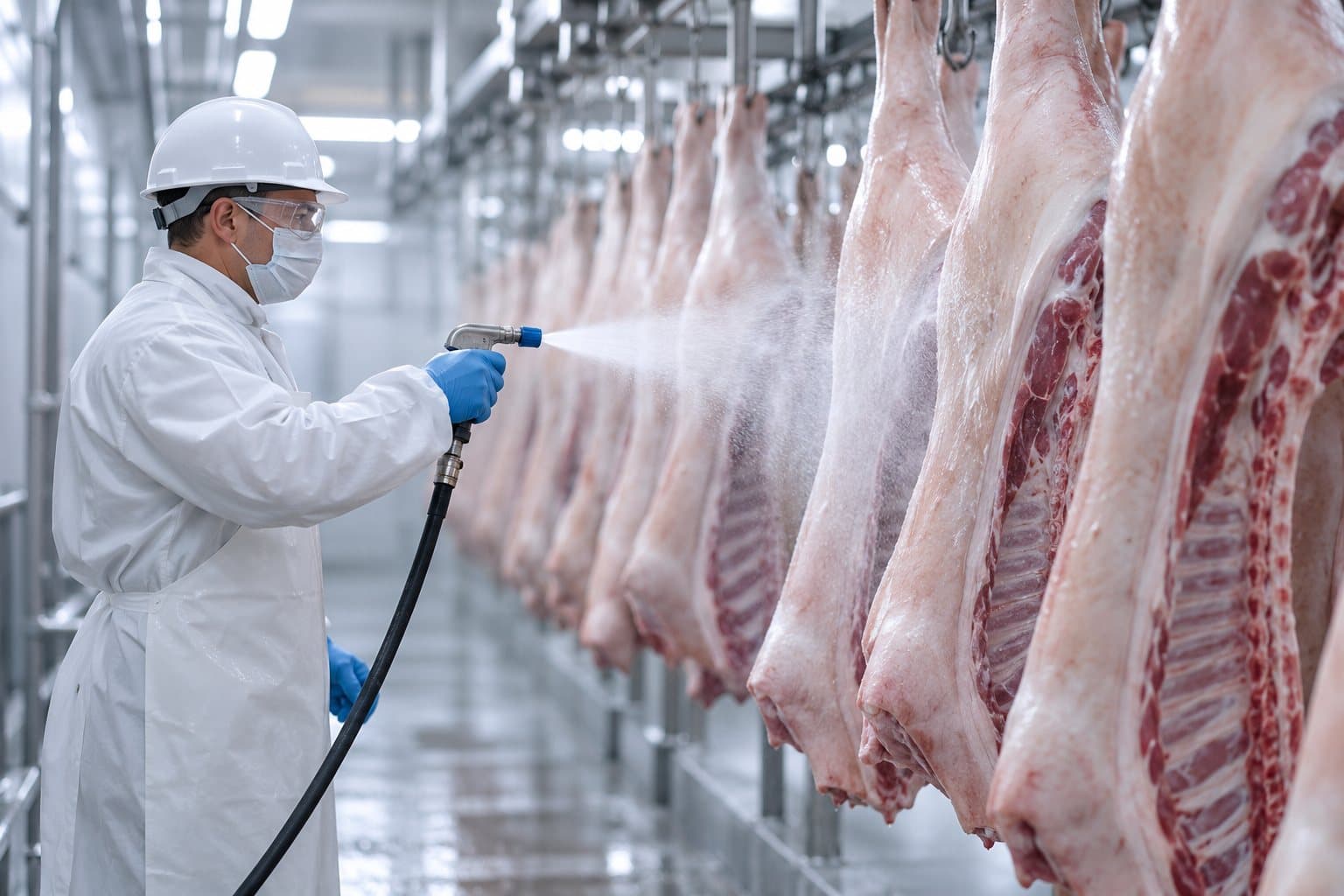
Direct application of HClO on the carcass — no rinse afterwards.

Applying hypochlorous acid directly to the carcass intervenes at the very start of the process: less contamination from the point of entry, fewer chances of cross-contamination, and better hygiene across the whole operation.

  1. 1

    Point of intervention

    HClO is applied directly to the carcass as an antimicrobial step, with no rinse needed.

  2. 2

    Act at the start

    Applied as carcasses enter, for lower initial contamination.

  3. 3

    Impact on plant and product

    Improved hygiene throughout the operation.

  • Lower microbial load
  • Less cross-contamination
  • Longer shelf life
  • Greater food safety
  • No rinse afterwards

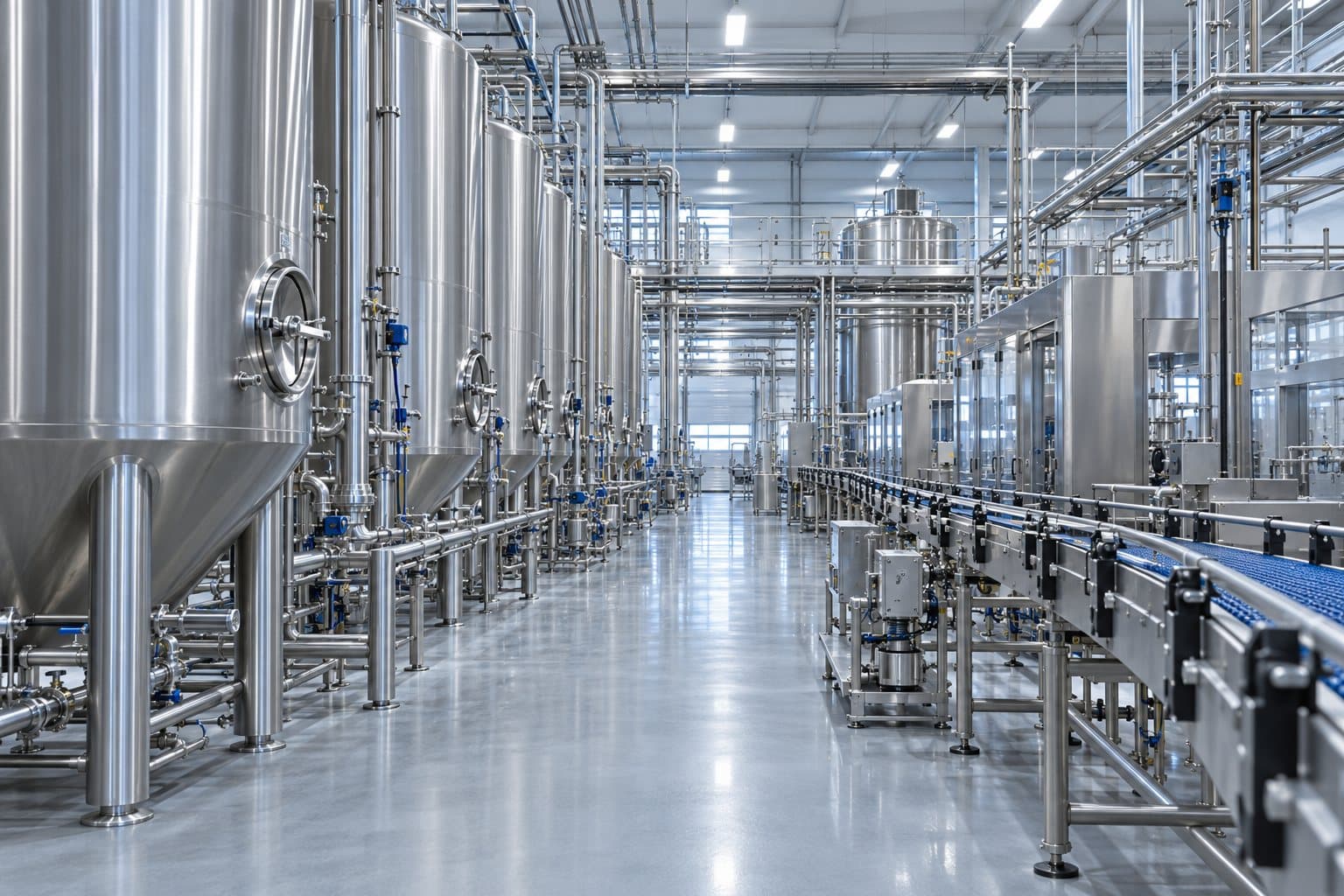
Production plants · Surface disinfection

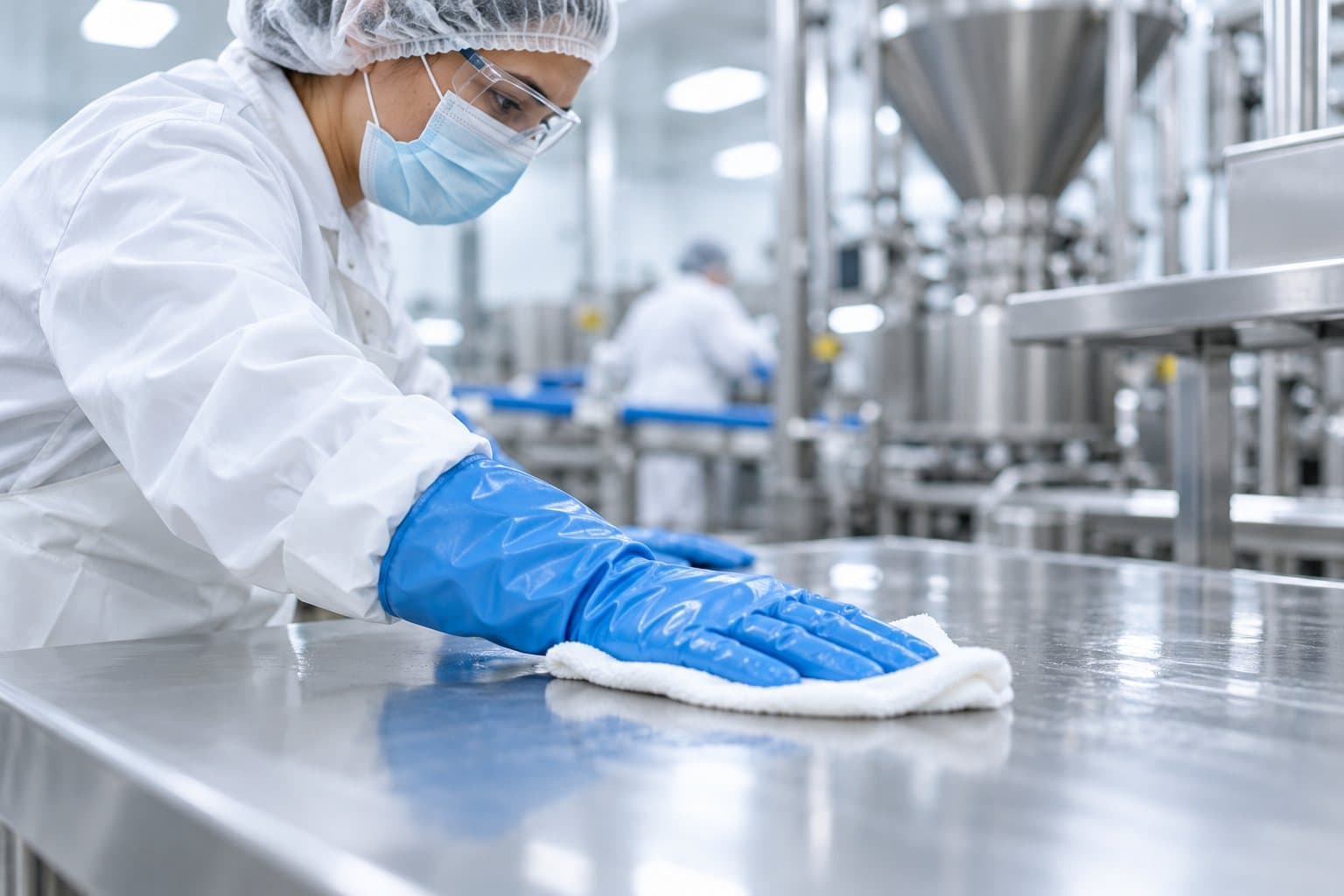
2-step hygiene: simplify the process, keep control.

Can hygiene be simplified without losing efficacy? What if innovation meant combining steps instead of adding them?

Less water. Less time. Less effluent. The same hygiene target.

Conventional method

4 steps
  1. 01FoamLoosens the dirt
  2. 02RinseRemoves foam and dirt
  3. 03DisinfectInactivates microorganisms
  4. 04RinseRemoves the disinfectant

With hypochlorous acid

2 steps
  1. 01FoamLoosens the dirt
  2. 02Rinse with HClORemoves dirt and disinfects
  • Less water used
  • Less wastewater to treat
  • Less time cleaning

Production plants · Environmental disinfection

The equipment decides the success of the hygiene.

The product matters — but the application technology decides how, where and how effectively it acts.

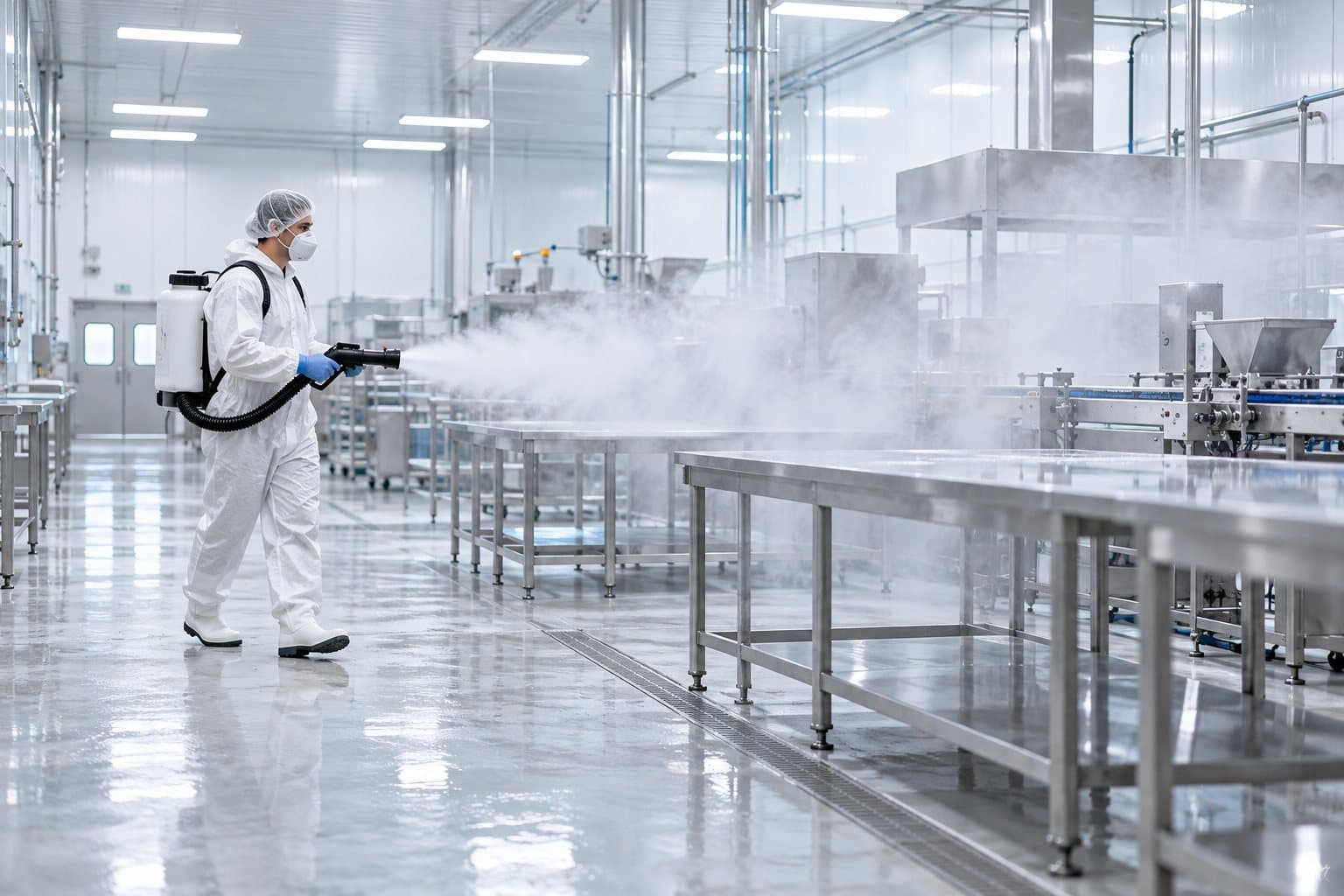
A worker spraying a production hall with an electrostatic backpack sprayer

ULVe

Electrostatic spraying
How it works
Charged micro-droplets are drawn to surfaces, improving deposition and coverage.
Droplet size
Depends on the equipment and its settings.
Typical use
Food industries, processing plants, handling areas and contact surfaces.
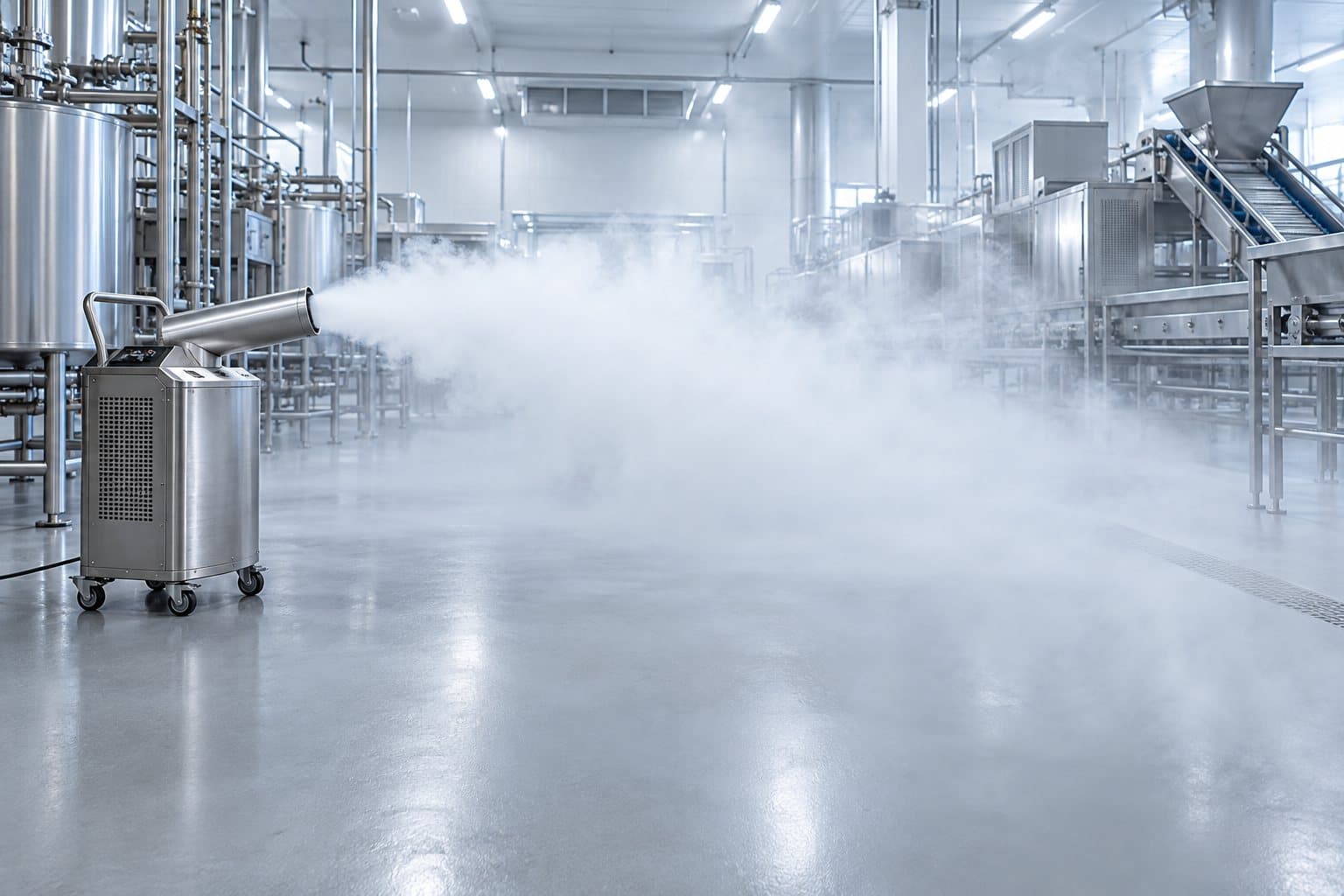
A mobile dry-fog generator misting a production hall

Dry fog

Long-suspension ultrafine aerosol
How it works
Ultrafine droplets stay airborne longer, spread evenly and reach corners and gaps, with minimal wetting of surfaces.
Droplet size
Typically under 10 µm.
Typical use
Processing areas, cold rooms, laboratories and spaces that need low residual humidity.
  • Total disinfection

    High antimicrobial efficacy.

  • Fast action

    Short contact time, 30–60 min.

  • Safe

    Non-toxic, with no waiting time after application.

  • Nothing to move out

    No need to remove equipment from the room.

Each application must follow authorised uses, test conditions and the sector's hygiene and health requirements.

Let's design the hygiene protocol for your site.